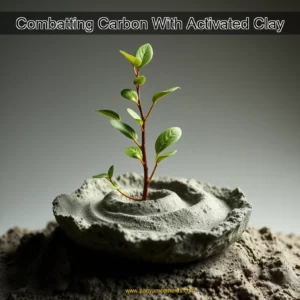
Cement Industry Faces Challenges in Meeting Growing Demand While Reducing Environmental Impact.
The Cement Industry: A Complex and Challenging Sector
The cement industry is a complex and challenging sector, marked by intense competition, fluctuating raw material prices, and stringent environmental regulations. The industry’s growth is driven by increasing demand for infrastructure development, particularly in emerging markets. However, the sector’s expansion is hindered by the need to reduce carbon emissions and mitigate the environmental impact of cement production.
Raw Materials and SCM Usage
Raw materials, such as limestone, clay, and sand, are the backbone of the cement industry. The quality and availability of these materials can significantly impact production costs and efficiency. To address these challenges, the industry is increasingly relying on supplementary cementitious materials (SCMs), such as activated clays, fly ash, and silica fume.
This is a significant step towards reducing the environmental impact of cement production.
The Rise of Sustainable Cement Manufacturing
In recent years, the cement industry has faced increasing pressure to reduce its environmental footprint. As the world grapples with the challenges of climate change, sustainable cement manufacturing has become a pressing concern.
India has introduced a nationwide carbon pricing scheme.
China’s Emissions Reduction Efforts
A National Approach
China, the world’s largest emitter of greenhouse gases, has taken significant steps to reduce its carbon footprint. The country’s Ministry of Ecology and Environment has set ambitious emission standards, aiming to peak carbon dioxide emissions before 2030.
LC3 cement is made from a combination of limestone, clay, and other minerals, with the addition of metakaolin, which is a type of activated clay.
The Rise of Sustainable Cement
A Shift Towards Environmental Responsibility
The construction industry is one of the largest consumers of cement, accounting for approximately 8% of global greenhouse gas emissions. The production of cement is a significant contributor to CO2 emissions, with the clinker factor being a major culprit. Clinker is a key component of cement, responsible for its strength and durability. However, its production requires high temperatures, resulting in significant energy consumption and CO2 emissions.
The Benefits of Activated Clays
A Sustainable Alternative to Clinker
Activated clays, such as metakaolin, are gaining popularity as sustainable alternatives to traditional clinker. These clays have been activated through a process that increases their reactivity, allowing them to bind with other minerals more efficiently. This results in a stronger and more durable cement with reduced CO2 emissions. Key benefits of activated clays: + Reduced CO2 emissions by up to 40% compared to OPC + Improved strength and durability + Lower energy consumption + Sustainable and environmentally friendly
The Science Behind LC3 Cement
Understanding the Composition of LC3 Cement
LC3 cement is made from a combination of limestone, clay, and other minerals, with the addition of metakaolin. The metakaolin is responsible for the activation of the clay, allowing it to bind with other minerals more efficiently.
This property enables them to react with calcium hydroxide to form a stable and durable binding agent.
The Science Behind Activated Clays
Understanding the Chemical Composition
Activated clays, such as metakaolin, are composed of amorphous aluminosilicates. These materials have a high pozzolanic reactivity, which is the ability to react with calcium hydroxide to form a stable and durable binding agent. The chemical composition of activated clays can vary depending on the type of clay used and the calcination temperature. However, the general structure of these materials is characterized by a high concentration of aluminum and silicon atoms. Key characteristics of activated clays: + High pozzolanic reactivity + Amorphous aluminosilicate structure + High concentration of aluminum and silicon atoms
The Calcination Process
The production of activated clays typically involves the calcination of various types of clay at temperatures between 600°C and 900°C. This process transforms the clay into a more reactive form, which can then be used to improve the properties of cement.
In the presence of sulfate or chloride ions, the surface of concrete can become damaged, leading to delamination, spalling, and ultimately, structural failure. Activated clays can help mitigate these issues by: 1. Increasing the density of the concrete paste through the addition of clays. 2. Improving the hydration of cement, leading to a more stable and durable concrete structure. 3. Reducing the permeability of the concrete, making it less susceptible to sulfate and chloride ingress. 4. Providing a protective barrier against chemical attacks. 5. Enhancing the mechanical properties of the concrete, such as compressive strength and tensile resistance. 6. Acting as a natural buffering system to neutralize acidic or basic substances.

news is a contributor at PanyamCements. We are committed to providing well-researched, accurate, and valuable content to our readers.