
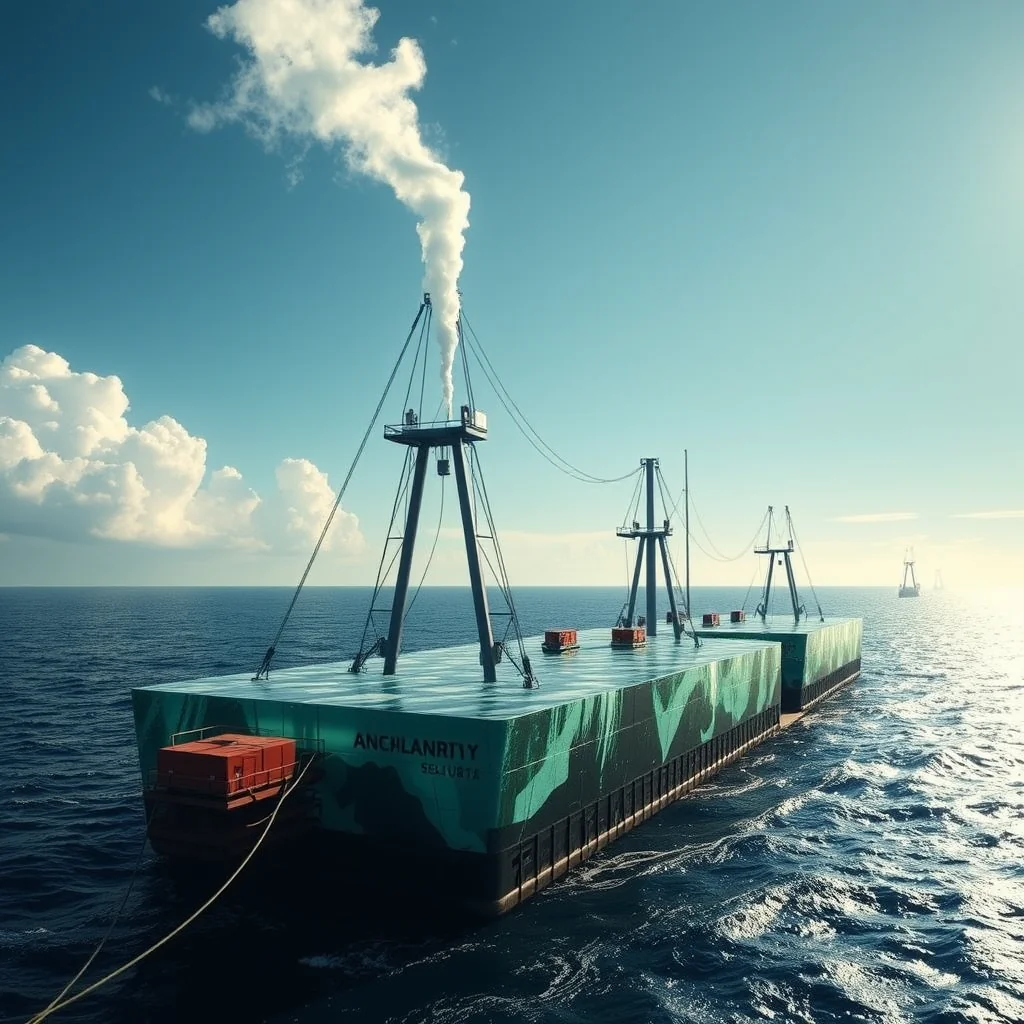
First, the process of extracting CO2 from limestone involves a chemical reaction known as calcination, where limestone (calcium carbonate) is heated to produce lime (calcium oxide) and carbon dioxide. This CO2 can then be captured and stored or utilized in various applications. The concept of using quicklime to produce bicarbonates and subsequently releasing them into the ocean is an innovative approach to addressing climate change. Quicklime reacts with water to form calcium hydroxide, which can then react with carbon dioxide in the atmosphere to produce calcium bicarbonate.
The global cement industry is at a crossroads, facing significant challenges and opportunities in the coming decades. The demand for cement, a key ingredient in construction and infrastructure development, is undergoing a transformation driven by several factors. One of the most significant challenges is the need to reduce carbon emissions associated with cement production. Cement manufacturing is a highly energy-intensive process, contributing to approximately 8% of global CO2 emissions. To address this, the industry is exploring various decarbonization pathways, including the use of alternative materials, carbon capture and storage technologies, and the development of low-carbon cement production methods.
China’s dominance in steel and cement production is a significant factor in global industrialization. The country’s output accounts for half of the world’s steel and cement, a figure that is ten times greater than that of India.
CLT is a game-changer for sustainable construction. It’s not just about being eco-friendly; it’s about rethinking how we build.
I’ve come to the conclusion that the best way to reduce the environmental impact of cement production is to use less of it. Cement production is a major contributor to global CO2 emissions, accounting for about 8% of the world’s total. The process involves heating limestone (calcium carbonate) to high temperatures, which releases carbon dioxide as a byproduct. This not only contributes to climate change but also leads to other environmental issues such as air pollution and habitat destruction.
When the oceans absorb carbon dioxide, they become more acidic, which reduces the availability of carbonate ions. This makes it harder for shellfish to build their shells. The acidification of the oceans is a significant threat to marine life, particularly shellfish.
Solar geoengineering, also known as solar radiation management (SRM), involves techniques aimed at reflecting a small percentage of the sun’s energy back into space to cool the Earth. The concept is to mimic the cooling effects of large volcanic eruptions, which have historically led to temporary global cooling by injecting sulfur dioxide into the stratosphere. One proposed method of solar geoengineering is stratospheric aerosol injection, where reflective particles are released into the stratosphere. This could theoretically reduce global temperatures by increasing the Earth’s albedo, or reflectivity.
This method could potentially reduce the environmental impact of limestone mining, which is a significant source of CO2 emissions. The company’s innovative approach could revolutionize the industry by offering a more sustainable alternative to traditional mining practices. The process begins with the burning of biomass, which is a renewable energy source. This biomass is combusted in a controlled environment with pure-ish oxygen, ensuring a more efficient and cleaner reaction compared to burning in air. The combustion generates heat, which is then used to bake limestone.
The concept of burning biomass in pure oxygen to unsequester carbon dioxide is a complex and controversial idea that has been proposed as a potential method for addressing climate change. Biomass refers to organic materials, such as wood, agricultural residues, and dedicated energy crops, that can be used as a renewable energy source. When biomass is burned, it releases carbon dioxide (CO2) into the atmosphere.
They are not trying to make a quick buck or to gain fame. They are genuinely concerned about the environment and the future of our planet. Their research is grounded in the understanding that our current energy and carbon emissions are unsustainable and harmful to the environment. They have dedicated their careers to finding innovative solutions to these pressing issues. One of the key areas of focus for these academics is the exploration of alternative energy sources. They believe that transitioning away from fossil fuels and towards renewable energy is crucial for reducing carbon emissions and mitigating climate change.