
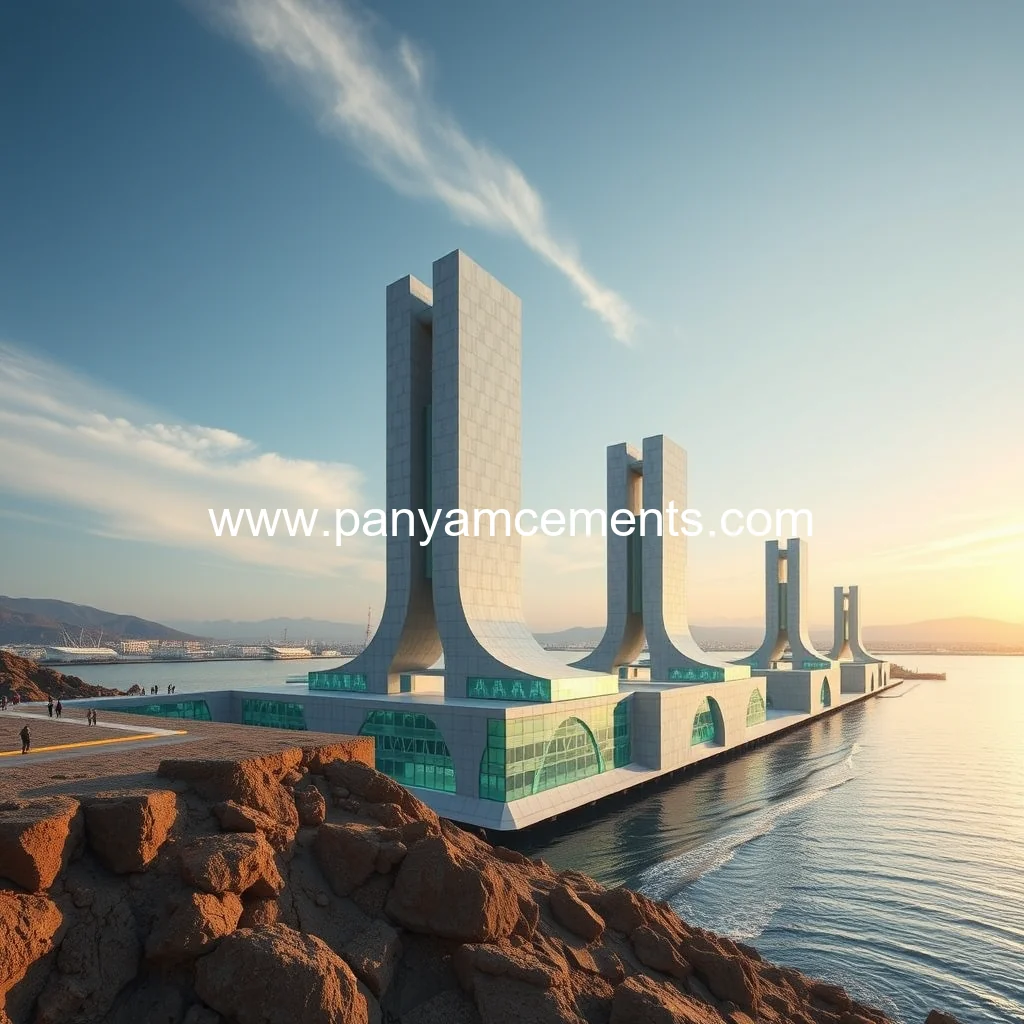
Reducing carbon emissions in the construction industry through innovative technology.
The project aims to reduce carbon emissions from the construction industry, which is one of the largest contributors to greenhouse gas emissions globally.
The Vision Behind the Collaboration
The partnership between CarbonCure Technologies, Abdullah Abdin, and Gulf Cryo is driven by a shared vision to reduce the environmental impact of the construction industry. The Saudi Ministry of Energy has recognized the potential of this collaboration to contribute to the Kingdom’s CCE framework, which aims to minimize waste, reduce emissions, and promote sustainable development. The CCE framework is built on three pillars: + Reducing greenhouse gas emissions + Increasing energy efficiency + Promoting sustainable development
The Technology Behind the Collaboration
CarbonCure Technologies is a Canadian company that specializes in developing innovative technologies to reduce the carbon footprint of the construction industry.
This process, known as carbon mineralisation, is a natural process that has been occurring for millions of years.
The Science Behind Carbon Mineralisation
Carbon mineralisation is a complex process that involves the conversion of CO2 into stable, carbonate minerals. This process is driven by the presence of calcium and magnesium ions in the concrete, which react with the CO2 to form stable minerals.
The Innovative Approach to Green Construction
The construction industry has long been criticized for its environmental impact, with buildings and infrastructure contributing significantly to greenhouse gas emissions. However, a new collaboration between Abdullah Abdin and a leading green construction company has set a new standard for sustainable building practices.
Key Features of the Collaboration
Benefits of the Collaboration
The collaboration between Abdullah Abdin and the green construction company has brought numerous benefits, including:
The Vision of Neom
Neom is a $500 billion megaproject that spans over 26,000 square kilometers in northwestern Saudi Arabia. The project is designed to be a hub for innovation, sustainability, and economic growth.
Sustainable City of the Future? Neom’s Vision Raises Questions About Its Environmental Impact.
The Visionary Project: Neom
Neom is a massive, futuristic city project located in the northwest of Saudi Arabia, spanning an area of approximately 10,000 square miles. The ambitious project, valued at a staggering $500 billion, aims to integrate cutting-edge technology, renewable energy, and sustainable practices to create a model for future urban development. The project’s vision is to create a self-sustaining, eco-friendly city that not only minimizes its environmental impact but also sets a new standard for urban planning and development.
The Key Components of Neom
The Sustainability Concerns
Despite its ambitious goals, Neom has raised concerns about its sustainability. Critics argue that the project’s massive resource demands and environmental footprint may not align with its claims of sustainability.
Introduction
The world is facing a pressing environmental challenge: reducing greenhouse gas emissions. One of the most significant contributors to these emissions is the production of concrete, which is used in construction projects worldwide. The good news is that there are innovative solutions being developed to mitigate this impact.
The Line: A Vision for the Future of Urban Living
The Line is a proposed mega-project that envisions a sprawling community that will accommodate nearly 9 million inhabitants along its 170-kilometer stretch. This ambitious undertaking aims to redefine the concept of urban living, offering a unique blend of sustainability, innovation, and luxury.
The Vision
The Line is not just a physical structure, but a comprehensive vision for the future of urban living. It envisions a community that is not only self-sufficient but also environmentally conscious.