
Background of the Case
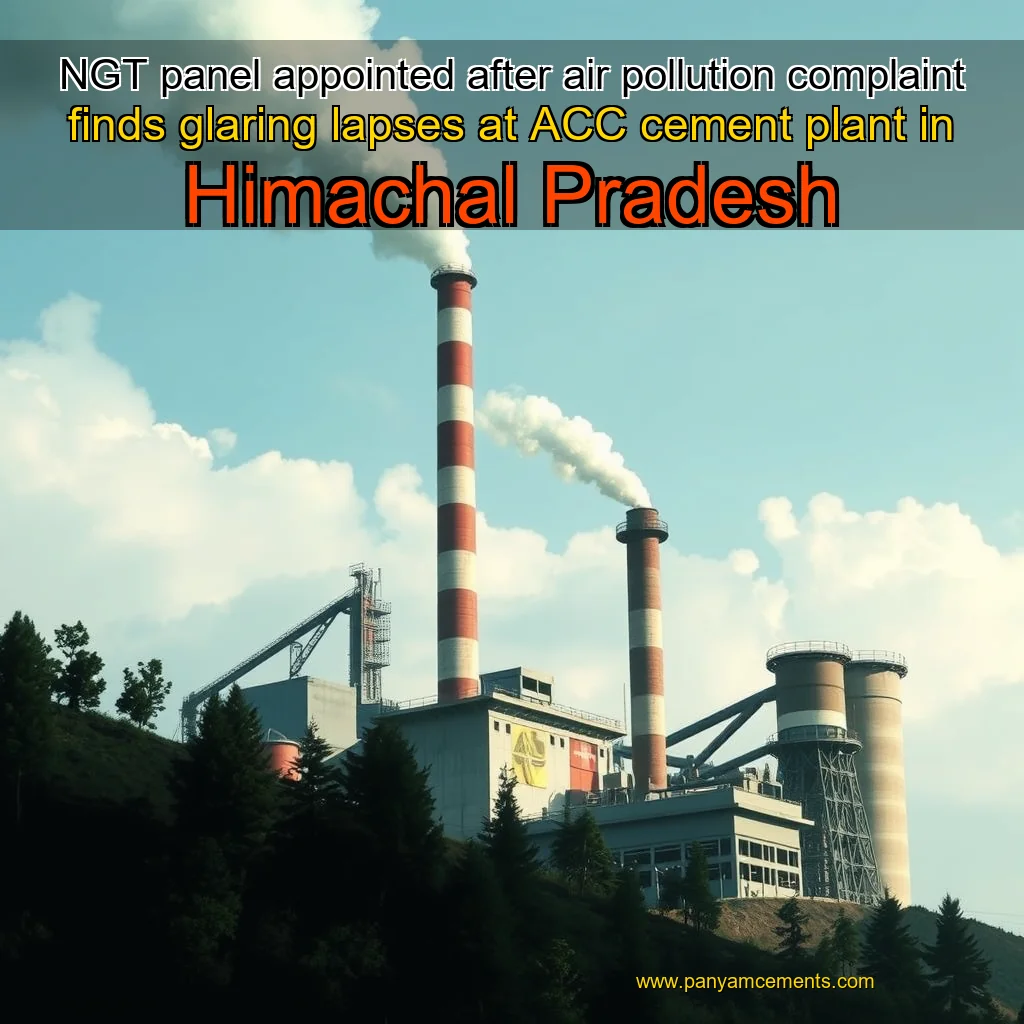
The case revolves around the alleged environmental damage caused by the ACC cement plant in Chamba district of Himachal Pradesh. The plant, which has been operational since 1988, has been accused of releasing toxic substances into the environment, including particulate matter, sulfur dioxide, and nitrogen oxides. These pollutants have allegedly harmed the local ecosystem and affected the health of nearby residents. Key issues in the case: + Release of toxic substances + Harm to local ecosystem + Health effects on nearby residents
The Tribunal’s Decision
The tribunal’s decision to impose a hefty environmental compensation on the ACC cement plant is a significant step towards holding the company accountable for its environmental actions.
The committee also found that the plant had been shut down for 15 days in December 2024 due to a technical issue.
The Cement Plant’s Maintenance Schedule
The cement plant’s maintenance schedule is a crucial aspect of its operation. The plant’s management team has a well-planned schedule to ensure that all equipment is properly maintained and repaired. The schedule includes regular checks and maintenance of the kiln, conveyor belts, and other machinery. The kiln is the most critical piece of equipment in the cement plant, and its maintenance is essential to ensure the production of high-quality cement. The conveyor belts are also critical, as they transport raw materials and finished products throughout the plant. Regular maintenance of these equipment is crucial to prevent breakdowns and ensure smooth operation.
The Committee’s Findings
The committee’s visit to the plant revealed several issues with the plant’s maintenance schedule. This shutdown was not included in the plant’s maintenance schedule, and it highlighted the need for a more comprehensive and flexible maintenance plan.
However, the tribunal directed the committee to expedite the review process and submit its report within a specific timeframe.
The Background of the Case
The case revolves around the environmental compensation imposed on the ACC cement plant by the tribunal. The plant, located in the state of Andhra Pradesh, has been accused of causing environmental damage due to its operations. The tribunal’s judgment imposed a fine of Rs 50 lakh on the plant, which is a significant amount considering the plant’s annual revenue.
The Committee’s Review Process
The committee, tasked with reviewing the tribunal’s judgment, has been examining documents submitted by the plant. This indicates that the committee is under pressure to complete its review process quickly. The committee’s review process involves examining various documents, including the plant’s environmental impact assessment report. The committee is also expected to consider the plant’s compliance with environmental regulations. The committee’s report will provide an assessment of the tribunal’s judgment and recommend any necessary changes.
The Implications of the Tribunal’s Judgment
The tribunal’s judgment has significant implications for the ACC cement plant. The fine imposed on the plant is a significant amount, and the plant’s operations may be affected by the judgment. The tribunal’s judgment also sets a precedent for other plants in the region, which may be subject to similar environmental compensation. The judgment may lead to increased scrutiny of the plant’s environmental practices. The plant may be required to implement additional measures to reduce its environmental impact. The judgment may also impact the plant’s reputation and profitability.
The Committee’s Report
The committee’s report is expected to provide an assessment of the tribunal’s judgment and recommend any necessary changes.
The Dust Separation System: A Key Concern
The dust separation system is a critical component of the plant, responsible for removing dust and other particulate matter from the air. However, Kashmir Thakur’s allegations suggest that this system may not be functioning as intended. There are several reasons why the system may be failing:
The Impact of Fugitive Emissions
Fugitive emissions refer to the unintended release of pollutants into the air. The plant’s failure to effectively manage and control fugitive emissions can have serious consequences, including:
The process of grinding and blending is carried out in a series of large tanks called grinding tanks. The cement is then dried and ground further in a series of ball mills.
Cement Manufacturing Process
Overview of Cement Manufacturing
Cement manufacturing is a complex process that involves the grinding and blending of raw materials to produce cement. The process begins with the extraction of limestone, gypsum, and fly ash from quarries and mines. These raw materials are then transported to the cement plant for grinding and blending.
Raw Materials Used in Cement Manufacturing
This system allows for the reduction of energy consumption and emissions.
The Cement Kiln Process
The cement kiln is the heart of the cement manufacturing process. It is a large, rotating drum that is heated to extremely high temperatures to produce the clinker, which is the primary component of cement. The kiln is typically fueled by a combination of fossil fuels and alternative energy sources, such as coal or biomass.
Raw Material Processing
The raw materials used in cement production are limestone, gypsum, fly ash, and coal. These materials are processed in the cement kiln to produce the clinker. The limestone is crushed and ground into a fine powder, which is then mixed with gypsum and other additives to create a uniform blend. The fly ash is also crushed and ground into a fine powder, which is then added to the blend. Key characteristics of the raw materials: + Limestone: high calcium carbonate content, low iron content + Gypsum: high calcium sulfate content, low iron content + Fly ash: high silica content, low iron content + Coal: high carbon content, low sulfur content
Suspension Preheater System
The suspension preheater system is a critical component of the cement kiln process.