
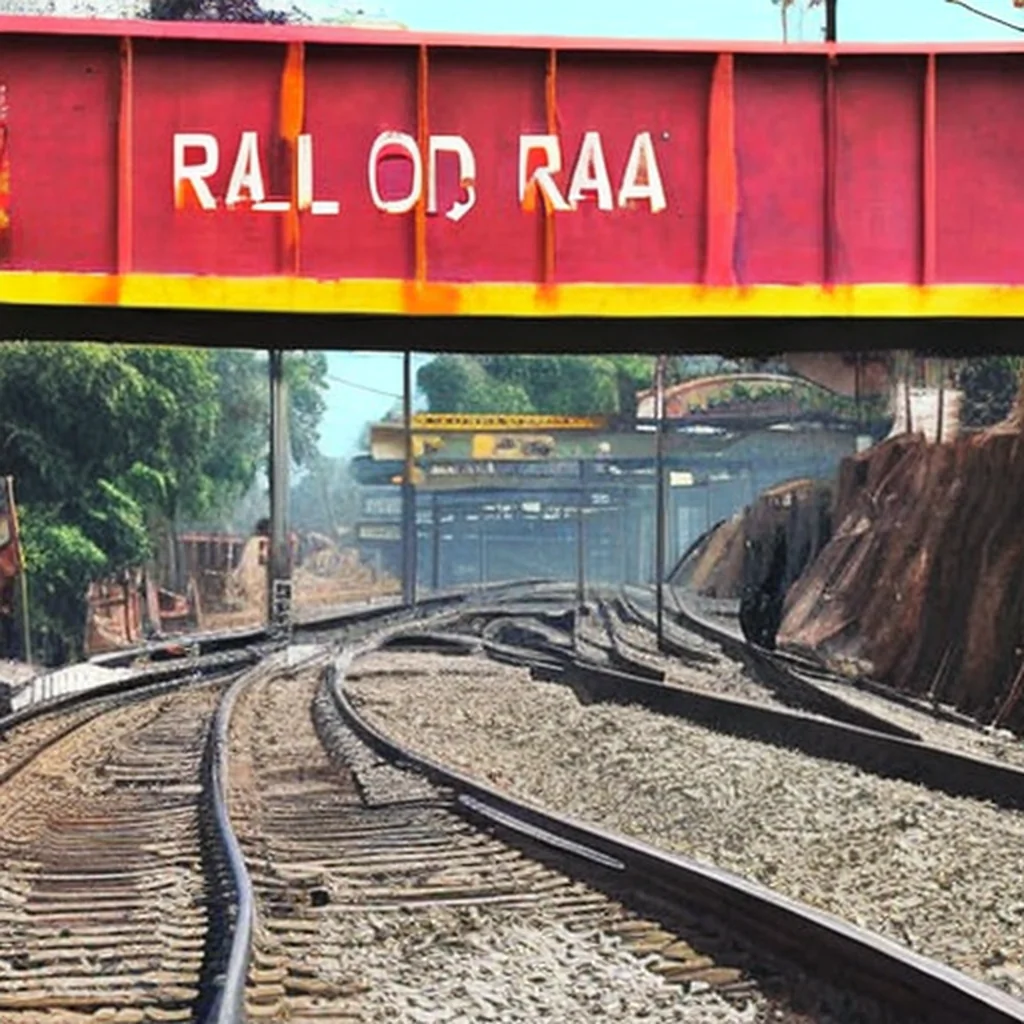
There are only nine months left until the project deadline, but only half of the work on the Ashuganj-Akhaura highway has been completed The expansion of the Ashuganj-Akhaura national highway and the Akhaura-Agartala railway project has been plunged into uncertainty after Indian contractors and engineers pulled out following the collapse of the Sheikh Hasina regime. With only nine months left on the project timeline, just half of the Ashuganj-Akhaura highway has been completed. The unfinished construction has turned the route into a nightmare for drivers and passengers, who endure daily hardships navigating the disrupted road. While the Akhaura-Agartala railway line has been inaugurated and the tracks are in place, it remains non-operational. Customs facilities, platforms, and connecting roads are still incomplete, keeping the project at a frustrating standstill.
Project officials are facing uncertainty and growing concerns about potential delays and cost escalation. The project’s timeline is unclear, and the reasons for the delays are not yet known. Project officials are unsure when work will resume, leaving them with a sense of unease and anxiety.
Package 1, covering 10.5 kilometers, is currently underway. Package 2, with a length of 20 kilometers, is expected to begin construction soon. Package 3, spanning 20.5 kilometers, is expected to begin construction in the next few months.
This statement highlights the security concerns surrounding the Ashuganj-Akhaura Highway Project in Bangladesh. The project, a crucial infrastructure development initiative, has been plagued by security issues, leading to the departure of project personnel. The project’s progress has been significantly impacted by these security concerns.
The project manager’s statement reflects the common challenges project managers face when dealing with project disruptions. This response highlights several key aspects of project management:
* **Proactive planning:** The project manager’s statement emphasizes the importance of having contingency plans in place for unforeseen events. A well-defined plan, including potential risks and mitigation strategies, can help minimize the impact of disruptions.
Abdur Rahman from Fulbaria village said, “Work began in 2017, but they took a long time to even start the construction for various reasons. Now it’s 2024, and work has halted again. We hoped the project would be completed by June, but no one can say when our suffering will end.” He called for intervention from the interim government in this matter. Seventy-six kilometres of the Dhaka-Sylhet and Cumilla-Sylhet highways pass through Brahmanbaria. Both highways are undergoing expansion to four lanes. However, with the suspension of work on the section from Ashuganj to Tantar Bazar, the situation has worsened; potholes are forcing vehicles to navigate with extreme caution. Daily traffic jams last for hours, wasting time and causing great inconvenience for both drivers and passengers.
The traffic was so bad that I had to stop and wait for a while. I had to pay Tk 100 for a single trip.”
This is a common experience for many commuters in Bangladesh, particularly in urban areas. The traffic congestion in Bangladesh is a growing problem, with the number of vehicles on the roads increasing rapidly.
This rail link is a significant development for the region, as it provides a vital connection between the two countries and facilitates trade and economic growth. The construction of this rail link was a complex and challenging undertaking, requiring extensive planning and coordination. The project involved the construction of a new railway line, bridges, tunnels, and other infrastructure.
Local authorities are concerned about the lack of information regarding the completion of a project. They are unsure when the individuals involved will return to finish the work. This lack of communication has caused frustration and uncertainty among the local authorities. **Detailed Text:**
The local authorities are grappling with a frustrating situation. They are deeply concerned about the lack of information regarding the completion of a crucial project.