
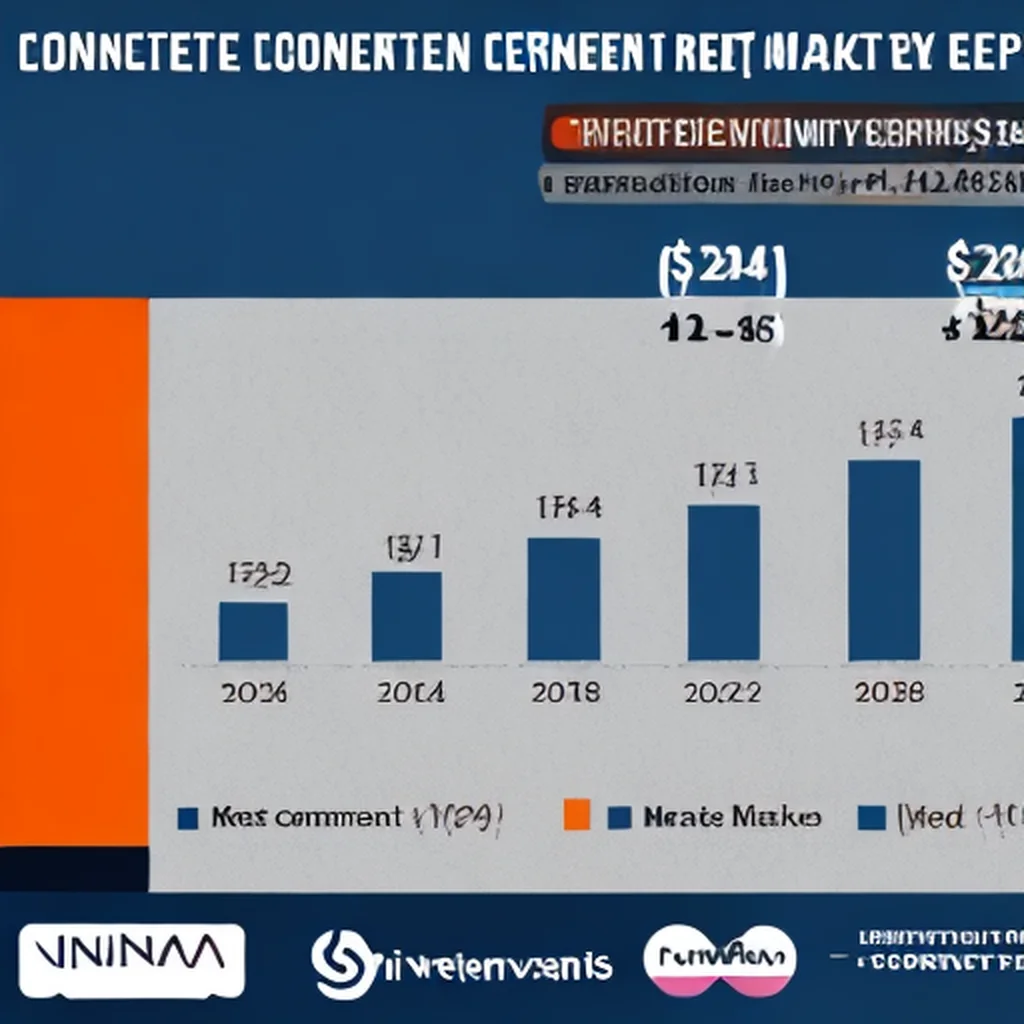
This growth is driven by several factors, including the increasing demand for infrastructure development, urbanization, and the adoption of sustainable construction practices.
## The Power of Adaptability: Two Strategies, Two Outcomes
This essay explores the concept of adaptability in achieving success, examining two historical events that demonstrate the effectiveness of different strategies. While both events ultimately led to positive outcomes, the paths taken were distinct, highlighting the importance of context and circumstance in determining the most effective approach. The first event, the rise of the United States as a global superpower, can be attributed to a strategy of economic expansion and technological innovation. This strategy, implemented through policies like the Marshall Plan and the creation of the interstate highway system, fostered a robust economy and propelled the US to the forefront of technological advancement. The US leveraged its economic strength to secure alliances, invest in research and development, and ultimately dominate the global market.
Rising disposable incomes fuel global construction boom.
This trend is expected to continue in the coming years, further fueling the growth of the global construction market. Economic Growth and Consumer Spending:
- Rising disposable incomes:** As economies grow, individuals in developing countries like India, Vietnam, and China experience a surge in their disposable incomes.
The demand for concrete and cement is expected to grow significantly in the coming years, driven by the increasing global population and urbanization. This growth is expected to be particularly pronounced in developing countries, where infrastructure development is rapidly expanding. The global concrete and cement market is characterized by a highly competitive landscape, with major players like LafargeHolcim, HeidelbergCement, and Buzzi Unicem dominating the market. These companies are constantly innovating and investing in research and development to stay ahead of the competition. The future of the concrete and cement market is promising, with significant potential for growth and innovation. The adoption of sustainable practices, digitalization, and advanced materials will continue to shape the industry’s trajectory.
AI’s Impact on the Construction Industry
Artificial intelligence (AI) is transforming the construction industry in numerous ways, offering significant potential for efficiency, productivity, and cost reduction. AI-powered tools and technologies are revolutionizing various aspects of construction, from design and planning to execution and maintenance. 1. Design and Planning:- Automated Design:** AI algorithms can analyze vast amounts of data, including building codes, regulations, and historical data, to generate optimized building designs. For example, AI can analyze building plans from previous projects and suggest improvements based on factors like energy efficiency, structural integrity, and cost-effectiveness. * **Predictive Modeling:** AI can predict potential risks and challenges during the design phase, such as structural instability, material shortages, or environmental hazards. This allows architects and engineers to address these issues proactively, minimizing potential delays and cost overruns.
**
This report examines the challenges and opportunities associated with the adoption of electric vehicles (EVs) in the United States.The market is experiencing a surge in demand due to the ongoing infrastructure development projects across the globe. This surge in demand is further fueled by the increasing urbanization and population growth, leading to a rise in construction activities. The Concrete and Cement market is segmented geographically, with key regions including North America, Europe, Asia Pacific, and the Rest of the World. Each region exhibits unique characteristics and growth drivers, influencing the market’s overall trajectory. North America, driven by robust infrastructure spending and a strong construction sector, is a significant contributor to the global market. The region boasts a high concentration of cement and concrete producers, contributing to its dominance in the market. Europe, with its well-established infrastructure and a focus on sustainability, is another key player in the global market. The region’s commitment to eco-friendly construction practices and stringent environmental regulations are driving the demand for high-performance concrete and sustainable cement production.
The cement and concrete market is booming, fueled by urbanization and infrastructure development.
The global cement and concrete market is experiencing a steady growth, driven by factors such as increasing urbanization, rising construction activities, and government initiatives promoting infrastructure development. The market is segmented into various categories, including ready-mix concrete, precast concrete, and structural concrete. Ready-mix concrete is a popular choice for large-scale construction projects due to its convenience and flexibility. Precast concrete, on the other hand, is used for smaller projects and offers advantages like faster construction and reduced waste. Structural concrete, as the name suggests, is used for structural elements of buildings and other structures.
## Global Cement and Concrete Market: A Comprehensive Analysis
This report provides a comprehensive analysis of the global cement and concrete market, offering a detailed examination of its key trends, drivers, challenges, and future prospects. Key Findings and Global Market Trends:
The global cement and concrete market is experiencing significant growth, driven by factors such as rising infrastructure development, urbanization, and increasing construction activities. This growth is expected to continue in the coming years, fueled by the expanding global economy and rising demand for housing, commercial buildings, and infrastructure projects. Market Size, Historical Data, and Five-Forces Analysis:
The report provides a detailed analysis of the market size, historical data, and a five-forces analysis. This analysis helps to understand the market drivers, challenges, and future growth patterns.Contacts Technavio Research Jesse Maida Media & Marketing Executive US: +1 844 364 1100 UK: +44 203 893 3200 Email: [email protected] Website: SOURCE Technavio
- Automated Design:** AI algorithms can analyze vast amounts of data, including building codes, regulations, and historical data, to generate optimized building designs. For example, AI can analyze building plans from previous projects and suggest improvements based on factors like energy efficiency, structural integrity, and cost-effectiveness. * **Predictive Modeling:** AI can predict potential risks and challenges during the design phase, such as structural instability, material shortages, or environmental hazards. This allows architects and engineers to address these issues proactively, minimizing potential delays and cost overruns.